
Einiosaurus: What We Know About This Ceratopsian Dinosaur

We call the Mesozoic era the Age of Dinosaurs for a reason; there were countless beasts of varying shapes and sizes. Some groups, such as ceratopsians, had similar features but various species. The Einiosaurus is a fascinating member of this family known for its nasal horn. Read on to find out what we know about this ceratopsian dinosaur.
What Did the Einiosaurus Look Like?
The Einiosaurus was around 15 to 20 feet long and weighed about 1.3 tons. Like all ceratopsians, this dinosaur had a large frill at the back of its skull, with two large spikes protruding from it. Einiosaurus also had two small brow horns and a horn that curved just above its beak-shaped mouth.
When compared to other ceratopsians like the Triceratops, the Einiosaurus was an average size. The average Triceratops was around 30 feet long and weighed six to 12 tons, making it twice the size of the Einiosaurus.
When and Where Did It Live?
Another interesting thing we know about the Einiosaurus is that this ceratopsian dinosaur lived during the Late Cretaceous period in what is now northwestern Montana. Similar to other ceratopsians, it most likely lived or traveled with a herd; bone beds of numerous Einiosaurus together indicate this behavior.
When the Einiosaurus was alive, its habitat was much different than the Montana we know today. In the Late Cretaceous period, Earth was much warmer, so there were a lot of wetlands and lush greenery for the dinosaurs to feast on.
What Did the Einiosaurus Eat?
Similar to fellow ceratopsians, the Einiosaurus only ate plants since these dinosaurs were herbivorous. More specifically, this beast ate ferns, shrubs, and other low-lying vegetation. Since the Einiosaurus was a quadruped (it walked on four legs), it could not reach high leaves on taller branches.
Did This Dinosaur Have Predators?
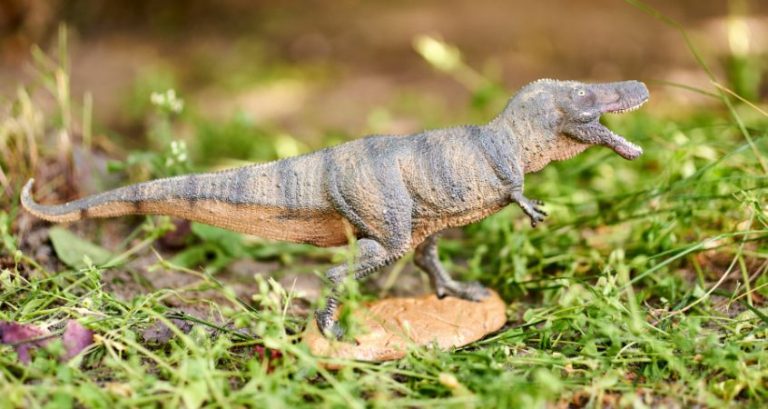
Like many herbivorous dinosaurs, the Einiosaurus had various predators to watch out for. Some of the dinosaurs that hunted this beast include Gorgosaurus, Albertosaurus, and Daspletosaurus.
While scientists don’t know for sure, it’s possible that the Einiosaurus helped protect itself by living in a herd. By staying with a massive group, every individual dinosaur in the herd had a higher chance of survival since predators had more options to choose from.
Additionally, some paleontologists believe that the Einiosaurus may have used its horns as protection against predators. However, the curved shape of the Einiosaurus horn brings this into question since it didn’t make an ideal weapon. Some paleontologists theorize that Einiosaurus horns may have helped the dino look more intimidating, which could scare off some predators.
Shop for Dinosaur Figures
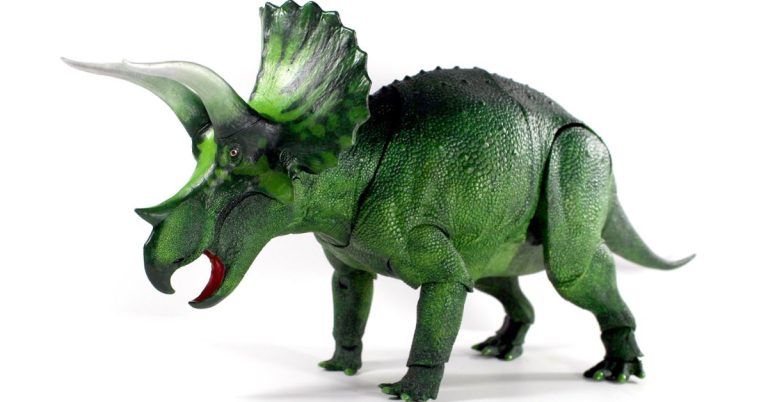
Hoping to get a closer look at the Einiosaurus? Creative Beast Studio’s Beasts of the Mesozoic Ceratopsian Series has you covered! We’ve created accurate action figures to look just like your favorite dinosaurs. Create your own prehistoric scene to bring these beasts to life.