
Raptors That You Might Not Have Heard of Before
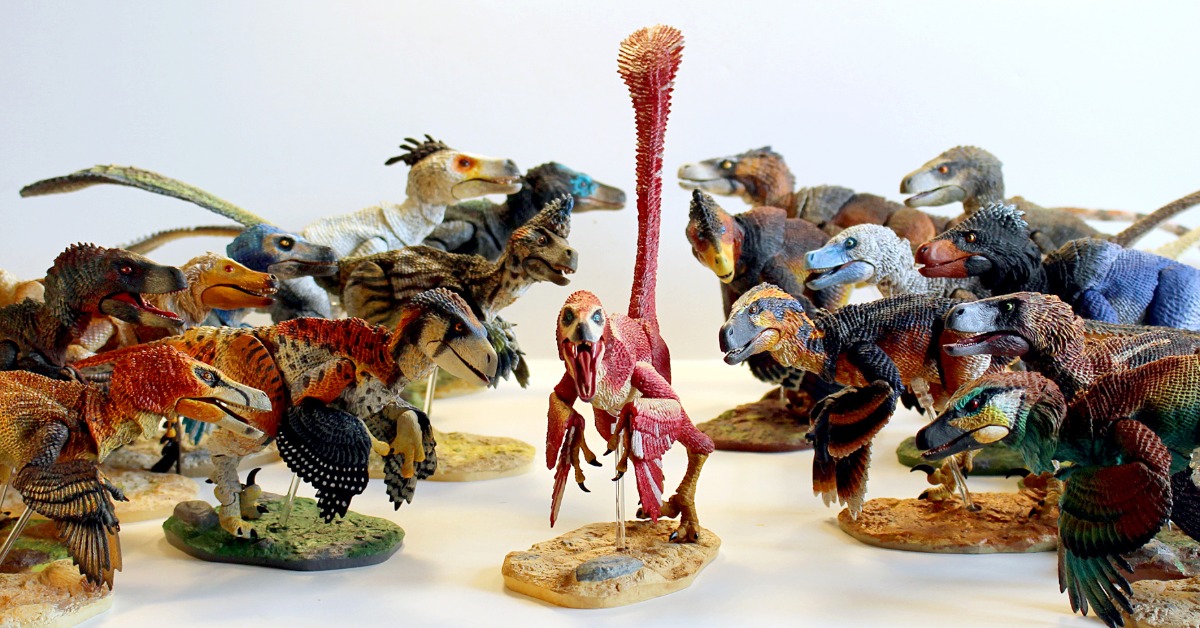
When people hear the word “raptor,” they usually think of Velociraptor, one of the most famous dinosaurs of all time. However, raptors were much more diverse than many people realize. Some were tiny and bird-like, some had feathers, and others looked incredibly strange. In this blog, we will look at several raptors that you might not have heard of before.
Buitreraptor
First up, we have the Buitreraptor, a beast that lived in what is now La Buitrera, Argentina, during the late Cretaceous period. This beast was relatively small, measuring 1.5 to 1.8 feet tall at the hip and 4 to 5 feet long, and weighing around 6.5 pounds. Like all raptors, the Buitreraptor was carnivorous, had feathers, and walked on two legs.
Interestingly, this dinosaur’s name means “thief from La Buitrera” or “vulture thief.” Additionally, it belonged to a southern raptor group called unenlagiines, which were long-snouted, bird-like, and probably quick hunters. Many scientists also suspect that the Buitreraptor was closely related to the Velociraptor.
Halszkaraptor
Of the many raptors uncovered so far, the Halszkaraptor is likely one of the strangest species. The Halszkaraptor had a long neck and a duck-like snout and lived near water. Although it did not live in the water – dinosaurs were strictly land-dwelling creatures – it likely took a dip when hunting small aquatic animals.
The Halszkaraptor lived during the late Cretaceous period in what is now Mongolia, specifically in the Djadokhta Formation of the Gobi Desert. What really makes this raptor stand out is how different it looks compared to most other raptors. This dinosaur’s long neck may have helped it snap at small prey near the surface quickly. Its duck-like snout and tiny teeth also helped it catch slippery prey such as fish and other aquatic creatures.
This dinosaur’s long neck may have helped it snap at small prey near the water quickly. Its duck-like snout and tiny teeth also made it useful for catching slippery prey such as fish and other aquatic creatures.
Rahonavis
The Rahonavis lived during the late Cretaceous period in what is now Madagascar. This beast had a very bird-like appearance, with feathered forelimbs, a lightweight body, and sharp claws. Even though it looked a lot like an early bird, it still had features that connected it to raptor-like dinosaurs.
One of the most interesting things about Rahonavis is that it had a sickle-shaped claw on its foot, similar to other raptors. This mix of bird-like and raptor-like traits makes Rahonavis important because it shows how closely related some dinosaurs were to birds.
The Austroraptor lived during the late Cretaceous period in what is now Argentina. Unlike many smaller raptors, this dinosaur was much larger and could grow to around 16 to 20 feet long, making it one of the biggest raptors ever discovered.
One major trait that makes Austroraptor stand out is its unusually short arms compared to other raptors. This beast also had a long skull with small, but sharp teeth that it used to tear meat apart.
Dino Fun Fact
Although they lived in the same general area, Buitreraptor and Buitreraptor would not have known each other because they lived during different parts of the Late Cretaceous.
Pyroraptor
Pyroraptor was a fierce raptor species that lived during the late Cretaceous period in what is now southern France. Its name means “fire thief” because scientists discovered its fossils after a forest fire.
This dinosaur was around 5 to 6.5 feet long and 1.3 to 2.3 feet tall at the hips. Similar to other raptors, Pyroraptor likely used a curved sickle claw on each foot while hunting. It likely chased smaller animals and used its speed, sharp claws, and teeth to catch its prey.
Interestingly, scientists have only found a few fossil pieces from Pyroraptor, including teeth and claw bones. Due to this, paleontologists base much of their appearance on close relatives like Velociraptor and other dromaeosaurs.
Bambiraptor
Bambiraptor lived during the late Cretaceous period in what is now Montana. Scientists named it after Bambi because the first major fossil they found was small and likely belonged to a young dinosaur. Even though it was tiny, Bambiraptor still had many classic raptor features, including sharp claws, strong legs, and a lightweight body built for quick movement.
This raptor also had bird-like features, showing the close connection between raptors and modern birds. Scientists think Bambiraptor probably hunted small animals such as lizards, mammals, and insects. Its speed, agility, sharp teeth, and curved claws would have helped it catch prey and survive as a small predator.
Tsaagan
Tsaagan is another raptor that you might not have heard of before, and it lived during the Late Cretaceous period in what is now Mongolia. Its name means “white monster,” and it earned the title because of the pale color of its fossilized skull and the creature’s predatory nature.
Scientists first thought part of its skull belonged to Velociraptor because the two dinosaurs lived in the same region at the same time and had similar raptor-like features. Later, scientists studied the skull more closely and realized Tsaagan had enough differences to be its own dinosaur.
The Tsaagan had a strong skull, sharp teeth, and curved claws that likely helped it hunt small animals. Like many other raptors from Mongolia, Tsaagan probably lived in a dry, desert-like environment and relied on speed, agility, and sharp senses to survive.
Linheraptor
Linheraptor lived during the Late Cretaceous period in what is now Inner Mongolia, China. Scientists discovered a nearly complete skeleton of this raptor in 2010, which helped them learn more about what smaller dromaeosaurs looked like.
Linheraptor had a light body, sharp teeth, strong legs, and curved claws that helped it hunt skillfully. It was closely related to other species, including Velociraptor and Tsaagan, so it likely hunted similarly by chasing small animals across its dry environment.
Atrociraptor
During the Late Cretaceous period, Atrociraptor lived in what is now Alberta, Canada. Its name means “savage robber” or “cruel thief,” which fits its fierce appearance. Scientists found parts of its skull, including jaw pieces and teeth, which helped them identify it as a raptor.
Unlike many slender raptors, Atrociraptor had a shorter, deeper skull that gave its head a stronger, stockier look. Its sharp, serrated teeth had jagged edges for slicing into prey. Like other raptors, Atrociraptor likely used speed, sharp claws, and a powerful bite to hunt small animals in its environment.
Zhenyuanlong
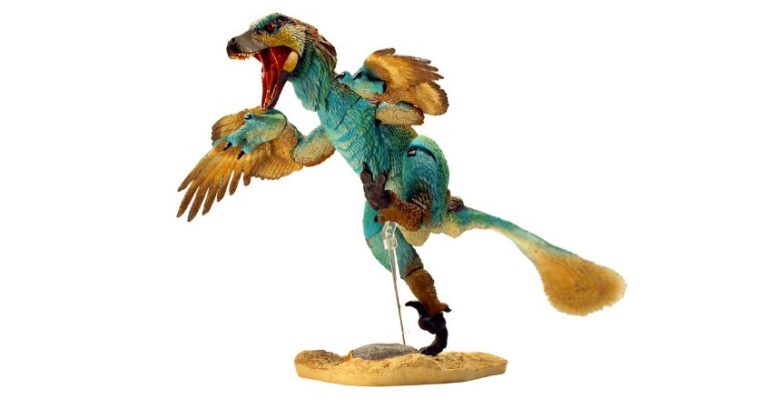
Zhenyuanlong lived during the Early Cretaceous period in what is now China. Scientists discovered a fossil that preserved not only its bones, but also clear feather impressions, making it one of the most interesting feathered raptors ever found.
Even though Zhenyuanlong had large wings and long tail feathers, it could not fly. Instead, its feathers may have helped it show off, stay balanced, keep warm, or attract mates, proving that dinosaurs did not always use wings for flight.
Get Dinosaur Figures
Learning about lesser-known raptors is exciting, but collecting them can make these prehistoric animals feel even more real. Creative Beast Studio offers realistic dinosaur figures inspired by scientific research. With the right figures, you can see the details that made each dinosaur unique, from feathered wings to sharp sickle claws.