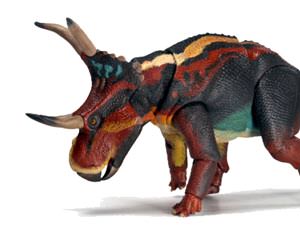

3 Discoveries That Helped Us Understand Dinosaurs

In today’s world, we learn about most species through direct observation. We know that birds sit on nests to lay eggs while other animals, such as turtles, bury their eggs in the sand.
When it comes to dinosaurs, things get a bit trickier since none of us lived alongside these prehistoric animals. Instead, we rely on fossil records such as bones, nests, and footprints to hypothesize about these magnificent creatures. Explore three discoveries that helped us understand dinosaurs.
1. Unearthing the First Dinosaur Bones
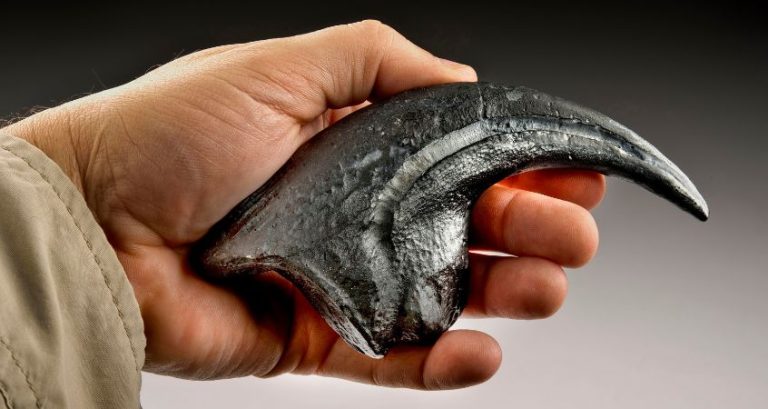
In 1677, Robert Plot discovered the first dinosaur fossil, and it was correctly labeled as such in 1815 by William Buckland. Buckland noticed the sharp teeth and reptilian bone structure when analyzing the remains. This initial spark led curious minds to wonder more about Earth’s rich past and the creatures that once ruled it.
Since that initial discovery, scientists worldwide have found and named over 700 recorded species! As paleontologists continue digging into Earth’s crust, the number of discovered dinosaurs may increase.
Dino Fact
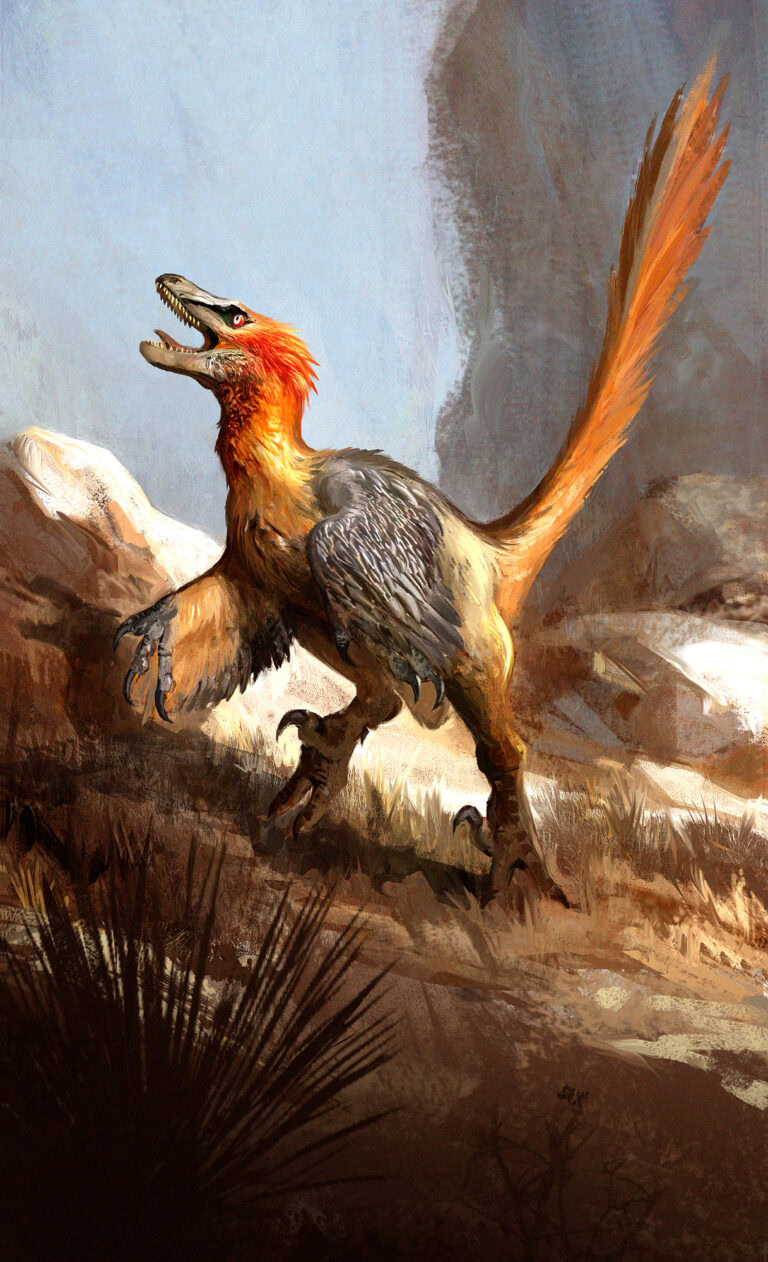
Scientific advancements, such as DNA sequencing and digital reconstruction, allow dino experts to understand what a species may have looked like or how it moved.
2. Finding Fossilized Nests
Nests are other discoveries that helped us understand dinosaurs. This gives us insight into how these prehistoric animals likely parented their young.
Without unearthing dinosaur nests, scientists could not have known whether the species laid eggs or how they went about nesting. For instance, scientists discovered the fossilized remains of an Oviraptorosaur alongside its fossilized eggs. It’s most likely that these dino parents stayed by their young for the early days of life to increase their chances of survival.
Dino Fact
Oviraptorosaurs were feathered theropods that lived during the Cretaceous period. They thrived in regions now known as Asia and North America.
3. Uncovering Dinosaur Tracks
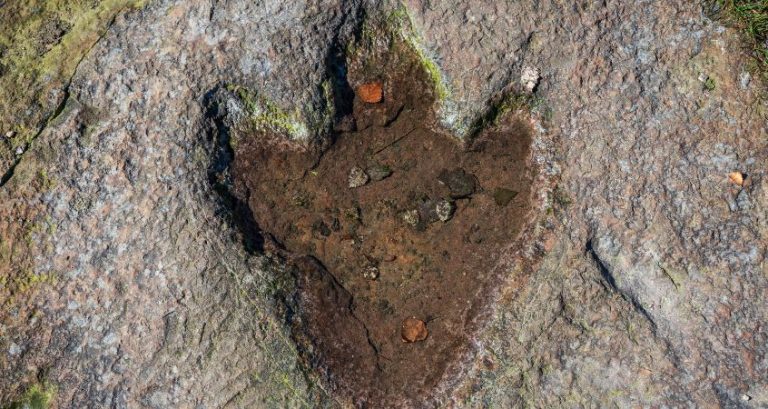
Fossil records give us insight into how dinosaurs lived and behaved. We know groups like the Oviraptorosaurs must have migrated because their fossils appear in two regions on Earth. While all the continents were once a massive landmass, Pangea, during the time of the dinosaurs, creatures would still have to travel far distances for the move to be possible.
Moreover, tracks from the same species appear alongside one another in areas across the world. This indicates group movement, which may mean that species have lived or at least traveled together.
Dino Fact
Many of the massive track sites have footprints from herbivorous dinosaurs, such as Triceratops, showing that these species likely lived or migrated in herds.
Shop at Creative Beast Studio
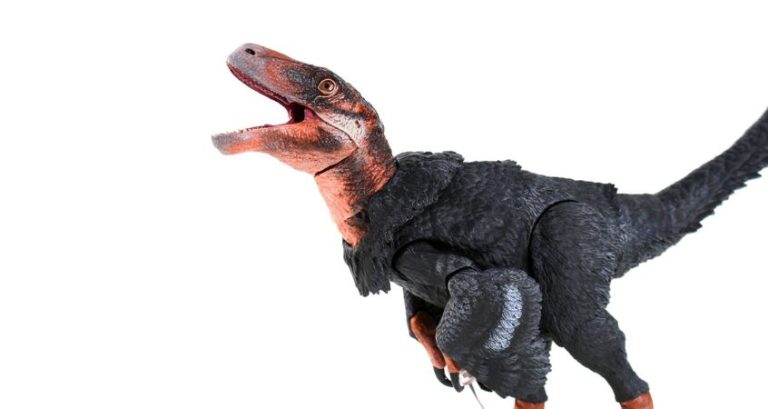
If you love dinosaurs, then shop at Creative Beast Studio for a wide range of high-quality dinosaur figures. We base the designs for our dinosaur action figures on scientific facts to ensure the utmost accuracy. Shop our collection for your favorite figure!