
How Dinosaurs Adapted to Changing Climates in the Mesozoic
Our planet is constantly changing, and climates shift over time. While Earth was much warmer when the dinosaurs lived than today, temperatures didn’t hold steady for millions of years. Earth naturally goes through warming and cooling periods (glacial and interglacial periods) that affect all life on our planet. Find out how dinosaurs adapted to changing climates in the Mesozoic to ensure their survival for as long as possible.
Slightly Changing Dietary Preferences
The food dinosaurs ate was directly linked to what was available. When herbivores struggled to find food, options became scarcer for their predators since there were fewer dinosaurs to hunt. For instance, moss thrives in a shady, moist, and cool environment. However, if conditions are too warm or dry, it will not grow.
Many sauropods feasted on moss during the late Jurassic period when much of Earth was rainforest-like. Earth warmed up as the Cretaceous period approached, and moss became less common. If an herbivore wanted to survive, it’d have to rely on other plants, such as cycads, ferns, and ginkgoes.
Migration
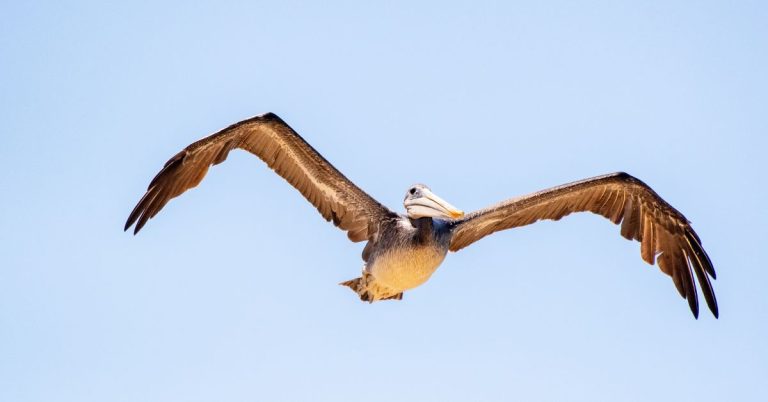
As temperatures shifted in one location, some dinosaurs moved to an area that better aligned with their preferences. Many of today’s birds share this trait, migrating south during the winter and flying north as the southern hemisphere warms up.
By migrating according to climate shifts, dinosaur species also increased their chance of survival since they’d have better access to food. Likewise, moving ecosystems eased other survival essentials, such as finding a mate.
We know dinosaurs migrated at some point because of massive dinosaur track sites. Locations such as Dinosaur Ridge Trail near Morrison, Colorado, have over 300 dinosaur tracks preserved in the rock. What’s most interesting is that this track site has “footprints” from numerous species but dates at a similar geological age, indicating that various species may have traveled together.
Physical Adaptations
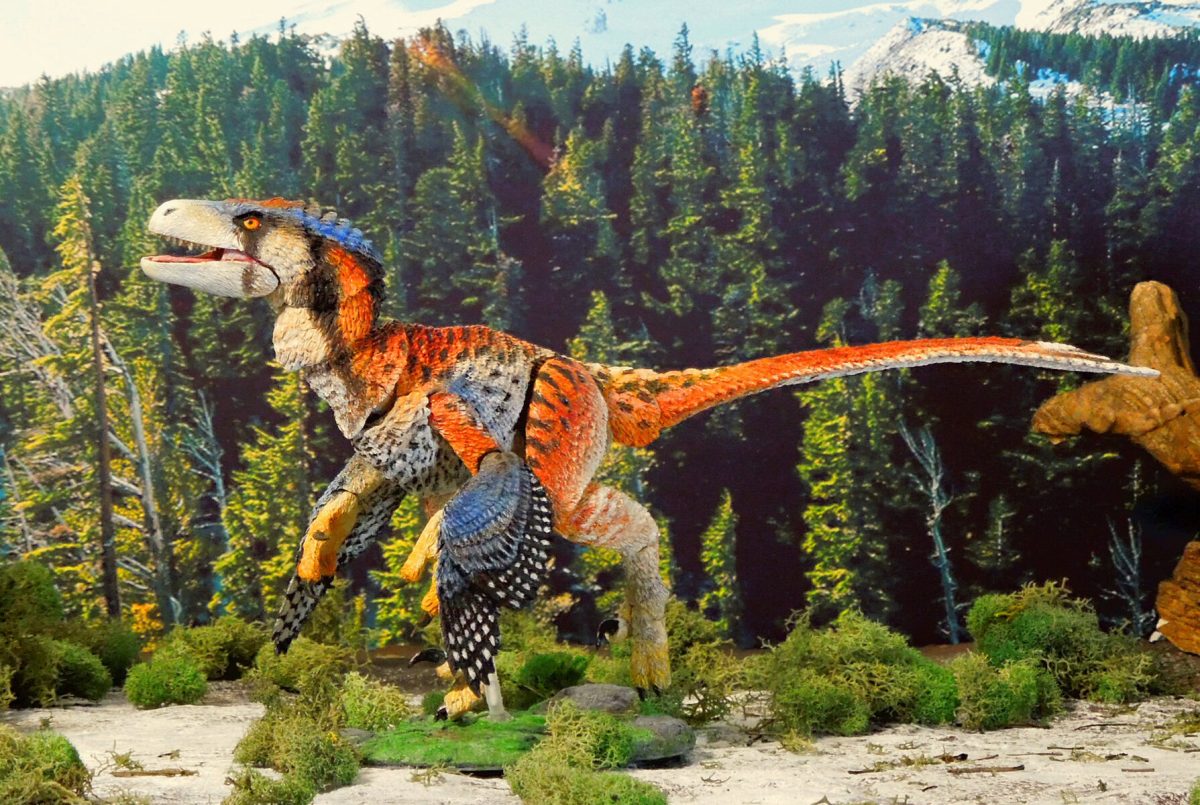
Another way dinosaurs adapted to changing climates in the Mesozoic is through natural evolution. Long-term climate changes require species to evolve to adapt to our ever-changing planet. Some dinosaur species became larger or grew longer necks to reach leaves in the highest trees rather than plants close to the ground. Similarly, when changing climates left the planet colder, some dinosaurs evolved to grow feathers to help them regulate their body temperature and insulate warmth.
Shop for Dinosaur Action Figures
Dinosaurs were incredible at adapting to our planet. Their ability to adjust their diets and migrate aided their evolution, allowing them to roam and rule for millions of years. At Creative Beast Studio, we bring the dinosaurs’ legacy to life with our beasts of the Mesozoic figures. Whether you love fierce raptors or docile ceratopsians, you’ll find the perfect figure to add to your collection.