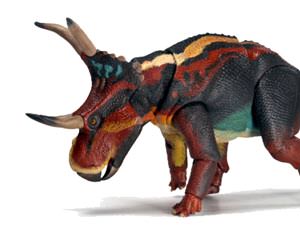

Dinosaur Teeth: What Fossils Tell Us About Diets

When we study an animal, one of the first questions we ask is what it eats. Examining an animal’s diet indicates its position on the food chain, as plant-eating creatures typically rank lower. Studying dinosaurs isn’t too different from looking at today’s modern creatures, except that scientists rely on fossilized evidence to form their conclusions. Let’s look at what dinosaur teeth tell us about diets.
Which Dinosaurs Were Carnivores?
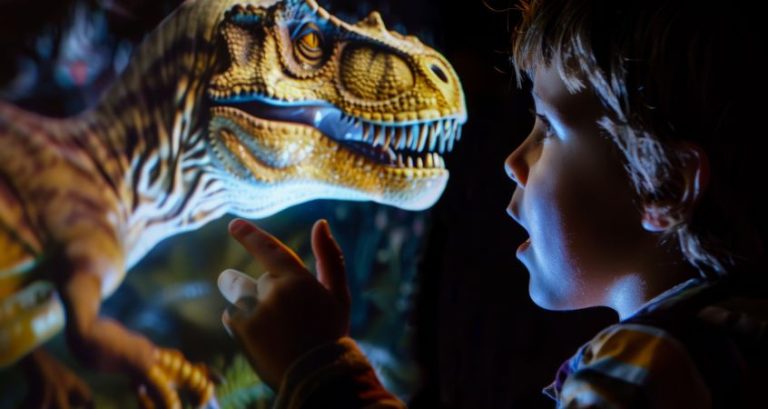
If an animal is carnivorous, that means it only eats meat. We can determine if a dinosaur falls into this category because it would have rows of razor-sharp teeth to kill and devour prey. Sometimes, these teeth were serrated, allowing dinos to grind up meat.
Moreover, the wear patterns on teeth are specific to carnivores, as they often have scratches or grooves. A meat-eating dinosaur may have had these patterns on its teeth because devouring other animals also meant consuming bones, which left noticeable tooth wear.
Which Dinosaurs Were Herbivores?
Another thing fossilized dinosaur teeth tell us about diets is whether they ate plants. Unlike carnivores, herbivorous dinosaurs didn’t need jagged or sharp teeth, but the shape still mattered. Most herbivores had wide, flat teeth (and some even had ridges) to grind plants.
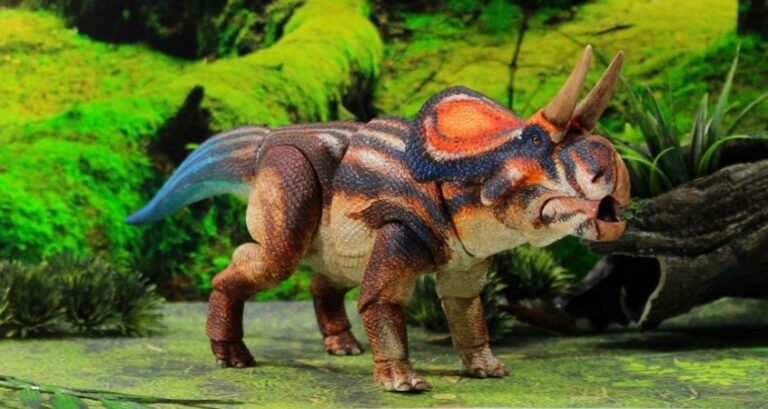
Fascinatingly, the teeth that herbivores had could also vary. Species such as the Diplodocus had long, thin teeth that they could use like a rake to pull leaves off trees. On the other hand, the Triceratops had flatter teeth and ate tough plants that were close to the ground.
What About Omnivores?
While scientific communities don’t have definitive answers right now, most hypothesize that there was no dominant group of omnivores, or animals that eat plants and meat. This is largely because fossilized evidence doesn’t support this, and we cannot conclude anything without proof.
For there to be omnivorous dinosaurs, we’d have to have species that had both flat and sharp teeth. For example, today’s bears have that tooth profile, enabling them to consume a wide range of foods. On the other hand, animals like lions are carnivorous and only have sharp teeth.
If paleontologists were to find a dinosaur with sharp teeth at the front of its mouth but flatter, molar-like teeth at the back, we could hypothesize that it was an omnivorous dinosaur. Until then, we don’t have conclusive evidence.
Buy Your Favorite Dinosaur Figures
Studying dinosaur teeth offers us a fascinating glimpse into their diets and behaviors. The sharp, serrated teeth of carnivores reveal their predatory nature, while the flat, grinding teeth of herbivores show how they thrived on plants.
You can bring your favorite creatures to life in your home with Creative Beast Studio’s realistic dinosaur figures. Explore our collection of detailed dino action figures made by experts who share your passion for dinosaurs. Show off your love for learning about dinosaurs with our carefully crafted figures.