
The Science Behind Raptors’ “Switchblade”

Most dinosaurs had a natural weapon or a piece of armor that helped them survive in a dangerous environment. While some beats were large, others had spiked tails, plated skin, or razor-sharp claws. Dromaeosauridae had one of the best tools—retractable claws. Learn all about the Raptors’ switchblade and the science behind it.
What Was It?
The raptors’ “switchblade” was simply a retractable claw that they had on the second toe of both of their feet. This sickle-shaped claw helped them both grab and hold prey, as well as kill it. Since these claws were retractable, raptors could keep them retracted when walking or running. Leaving them in a fixed position could’ve injured the animals or damaged the claw.
Think of the retractable claw like a weapon that raptors needed for survival. If they were careless and damaged that “tool,” it’d be harder for them to catch or kill prey. Likewise, damaging the talon could cause infection, increasing the risk of death.
How’d It Work?
So, what was the science behind the raptors’ switchblade claw? A raptor could retract its claw at will since muscles and tendons connected it. This means that if they were about to land a kill, they would tense the foot muscles surrounding the sickle-shaped claw to push it out. After the attack, relaxing the muscles allowed the claw to retract, keeping it sharp and protected.
Modern raptors—birds of prey—no longer possess fully retractable talons, but they have long, curved claws that they use to grip and kill their prey. This illustrates how these specialized hunting tools evolved over millions of years, changing form as the species branched off from their dinosaur ancestors.
Which Raptors Had Retractable Claws?
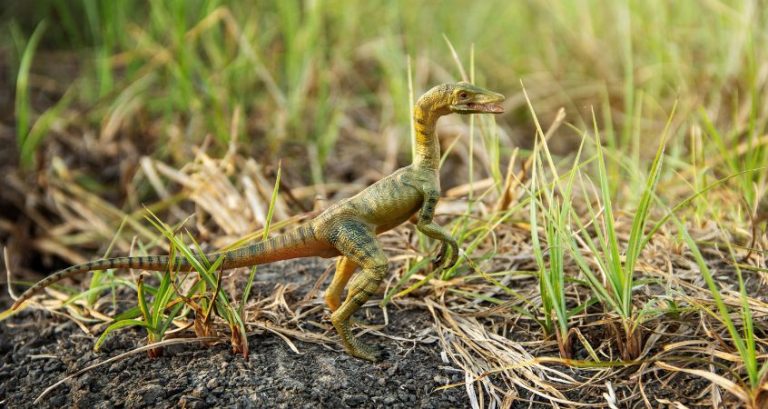
All members of the Dromaeosauridae (raptor) family had these sickle-shaped, retractable claws, making it a defining trait of the clade. Some specific dinosaurs include:
- Velociraptor: One of the most well-known raptors. This small beast lived during the late Cretaceous period.
- Deinonychus: A fast and agile beast that led scientists to view raptors as intelligent hunters. It lived during the early Cretaceous period.
- Utahraptor: One of the largest members of the dromaeosaurid with 10-inch claws. This dinosaur lived during the early Cretaceous period.
While all of these beasts varied in size, each of them relied on that switchblade to survive in the dangerous Mesozoic world.
Get Your Favorite Raptors
Creative Beast Studio’s Deluxe Raptor collection includes various classic beasts, including Velociraptor figures. We bring these beloved creatures to life by paying close attention to detail and creating them according to scientific accuracy. Our figures are perfect for dinosaur lovers and collectors of all ages. These incredible raptors continue to fascinate fans of fossils and collectible figures.