
What Are Dinosaur Frills and What Is Their Purpose?
Few dinosaur features are as visually distinctive as the broad bony frills found on many ceratopsians. Earlier ceratopsian groups, including protoceratopsians, also developed noticeable frills. These structures varied greatly from one species to another, which is part of what makes them so interesting.
But what exactly are dinosaur frills, and what is their purpose? While scientists still debate exactly how different dinosaurs used their frills, the fossil record offers several strong possibilities.
What Are Dinosaur Frills?
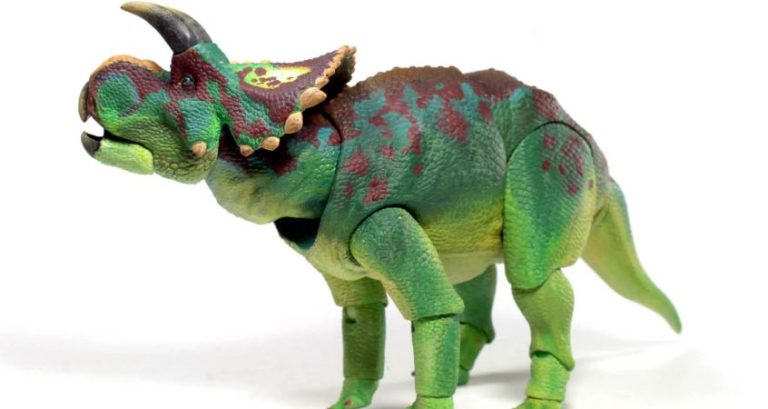
Dinosaur frills are broad, bony structures that extend from the back of the skull, especially in ceratopsians. They were made from enlarged skull bones and could vary a lot in size and shape. In some species, small bony projections lined the edges, giving the frill a more jagged appearance.
Frills could look very different from one ceratopsian to another. Dinosaurs such as Triceratops, Pentaceratops, Centrosaurus, and Torosaurus all had prominent frills, but their proportions, openings, and edge ornamentation differed considerably. Paleontologists can look at these features to study ceratopsian anatomy and evolutionary relationships.
Dinosaur frills varied in several ways:
- Size: Some species had relatively compact frills, while others developed very large extensions behind the skull.
- Shape: Frills could be rounded, elongated, broad, or more angular.
- Openings: Some contained large openings in the bone, while others were more solid.
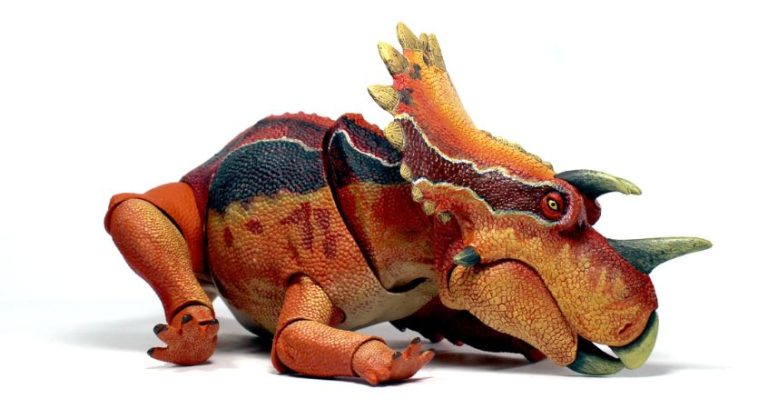
- Edge ornamentation: Small bony projections could create scalloped, hooked, or spiked edges.
- Related skull features: Frills often appeared alongside horns, bosses, and other distinctive cranial structures.
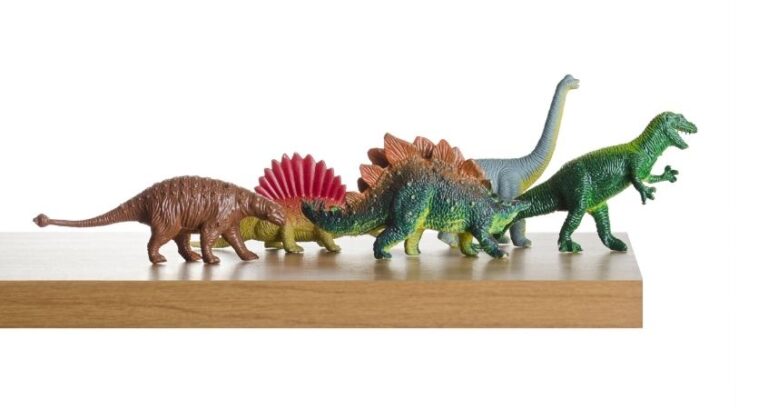
Fun Fact: Dilophosaurus Didn’t Have a Frill
Do you remember the expandable neck frill on Dilophosaurus in Jurassic Park? Fossils provide no evidence that the real dinosaur had anything like it. The frill was added for dramatic effect. Dilophosaurus is instead known for the pair of distinctive crests on top of its skull.
This is a good reminder that some of the most familiar dinosaur images in pop culture aren’t always scientifically accurate. Now that we know what dinosaur frills are, let’s look at what they may have been used for.
Displaying to Mates and Rivals
Frills may have played an important role during interactions with members of the same species. These structures could make a ceratopsian stand out during courtship. They may also have made the animal look more impressive or intimidating when facing a rival.
Attracting Potential Mates
Paleontologists have explored whether elaborate frills could have played a role in courtship, much as prominent anatomical features do in some living animals. The frills of Protoceratops changed noticeably as individuals matured, a pattern consistent with social or sexual signaling. That doesn’t tell us exactly how the frill was displayed or what another dinosaur perceived from it. Still, the evidence suggests that its visual importance may have increased as the animal approached adulthood.
Signaling Maturity and Fitness
Frills may also have conveyed information about an animal’s age or maturity. These developmental changes are consistent with the possibility that frills became increasingly important in social interactions later in life.
Dinosaur frills weren’t necessarily the same shape and proportion throughout an animal’s life. Fossils of ceratopsian skulls show that their frills often became larger and changed shape with age. These differences give paleontologists a better idea of how young ceratopsians developed into adults.
Protecting the Neck and Head
Defense is one possible function of dinosaur frills. The broad bone behind the skull may have protected the neck or helped absorb blows during fights. However, because frills varied widely among species, they may have offered more protection in some dinosaurs than in others. Some species had large openings or comparatively thin sections of bone, while others developed more solid structures.
Physical conflict between members of the same species may have been one situation in which a frill offered protection. Injuries found in Triceratops skulls suggest that these dinosaurs may have used their horns when fighting each other. The relatively solid frill may have protected parts of the neck and skull during close-range encounters.
Frills Were Part of the Skull
A dinosaur frill wasn’t a separate piece of armor sitting on the neck. It was made from bones that formed part of the skull itself and extended backward behind the head. This connection gave the frill a firm structure.
Regulating Body Temperature
Dinosaur frills may have played a role in regulating body temperature. Because some frills had a large surface area and a strong blood supply, warm blood flowing through them may have released heat into the surrounding air.
In this way, the frill could have acted like a radiator. Its broad surface may have given excess body heat more room to escape, which could have helped the animal stay cooler.
Making an Impression
Whatever else their purpose included, frills dramatically changed the outline of a dinosaur’s head. A broad frill could make the animal appear larger and more imposing. Its effect could become even stronger when paired with other prominent features.
Raising or turning the head could change the way the frill appeared. When working with paintable dinosaur models, think about how the overall silhouette and head angle can make each species look distinct.
Here’s a simple comparison of the frills on different dinosaurs:
- Triceratops had a broad, relatively solid frill with no large openings, giving the back of the skull a rounded appearance.
- Torosaurus had a much longer frill with large openings in the bone, creating a very different skull profile from Triceratops.
- Centrosaurus’ short frill had ornamentation along the edges, including hooks and other bony projections.
- Pentaceratops had an especially large, elongated frill that extended far behind the skull and contributed to its dramatic head shape.
- Protoceratops’ frill was simpler than many later ceratopsids, but it was still a prominent part of the skull.
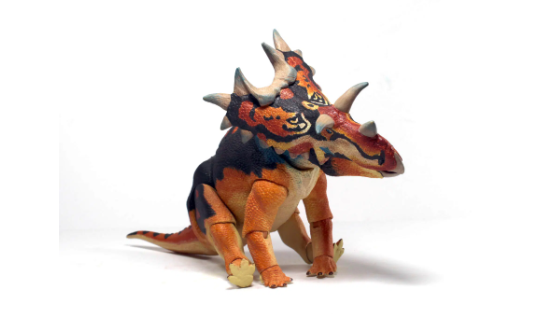
- Styracosaurus had a shorter frill lined with long spikes, giving it a distinctive silhouette among ceratopsians.
Why Did Some Frills Have Openings?
Some ceratopsian frills had large openings in the bone, while others were much more solid. These openings may have reduced the weight of the skull without greatly changing the frill’s size. Their presence also shows just how different frill construction could be from one species to another.
There probably wasn’t one single purpose for every dinosaur frill. Different species had different frill shapes, sizes, and structures, which points to a range of possible uses. Whatever their exact purpose, dinosaur frills gave these animals an impressive appearance.