
How Do We Know What Dinosaurs Really Looked Like?

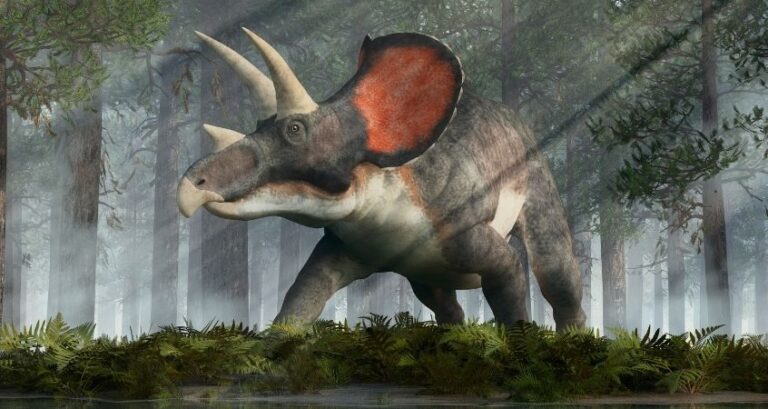
Most of us come across highly detailed images of the beasts when flipping through textbooks or researching dinosaurs online. These depictions show the animals’ colors, estimated size, shape, and more.
As fascinating as these images are, many of us may wonder how we know what dinosaurs looked like. After all, no one was alive to see the prehistoric animals in person. This article details how paleontologists and scientists can piece together a picture of what dinosaurs may have looked like.
Fossils
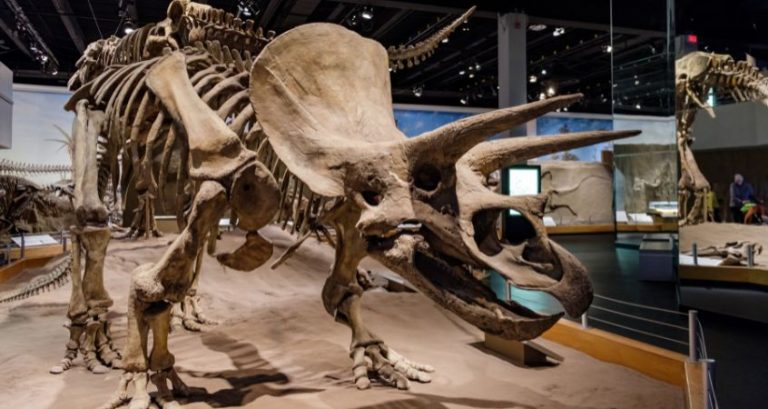
Fossil evidence is one of the most significant contributors to understanding the look of prehistoric animals. By evaluating bones and reconstructing them, we can see:
- How big the creature was
- Whether it was bipedal or quadrupedal
- If it had stand-out features (horns, talons, etc.)
Viewing this evidence is one of the biggest pieces of the puzzle since it helps us get a better overall picture of the animal’s appearance.
Soft Tissue Preservation
In some cases, skin and other soft tissue remains well-preserved even after millions of years. Evaluating this tissue can help scientists determine which dinosaurs had feathers and which ones had scales based on the texture of their skin.
Keep in mind that fossilized soft tissue isn’t “soft” as it would be when the animal was alive. It has typically hardened and compressed over millions of years, but it still gives us valuable information about dinosaurs’ appearances.
Impressions in Rock
Another reason we know what dinosaurs looked like is due to rock impressions. Prints left in rock, such as tracks, provide information on the shape of a dinosaur’s feet, stance, and gait size. For instance, the Velociraptor’s footprint has a distinct three-toed pattern, and footprints appear one after the other, indicating that it walked on two legs.
Rock impressions can also indicate the texture of a dinosaur’s skin since it may leave behind traces of scales or feathers. Evaluating leftover impressions in rock can help fill information gaps when we’ve only uncovered parts of the fossil.
Forming Hypothesis
Although we cannot say we know what dinosaurs looked like in the same way we describe modern animals, such as birds or crocodiles, paleontologists make educated estimates. Scientists base their hypotheses about dinosaurs on facts, such as bone records and fossilized body tissue, and then they use modern tools to further dissect this.
For example, it’s safe to assume the species had feathers if paleontologists find fossilized feathers that appear cemented to a dinosaur’s bones. Then, paleontologists can examine the remains under a microscope to view cellular evidence of melanosome structures that can help indicate color. Finally, paleontologists can conclude that the species more than likely had feathers and the color of them.
In other words, the existence of dinosaurs and the fact that some species had colored feathers are facts; however, we do not know exactly how they looked compared to modern animals. Scientists base dinosaur depictions on current evidence, which can change if paleontologists dig up other facts.
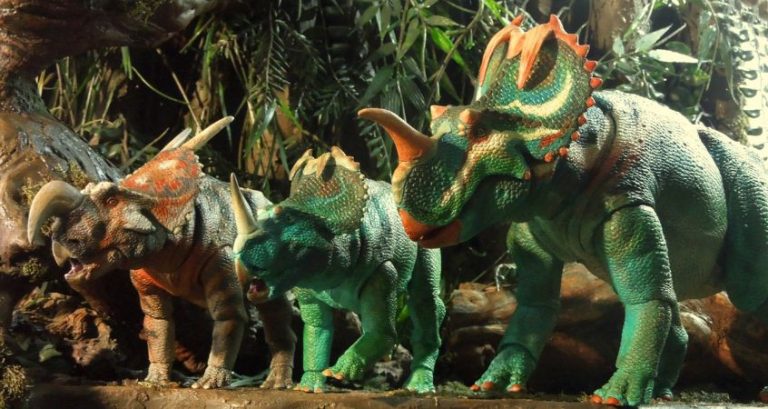
Buy Accurate Figures
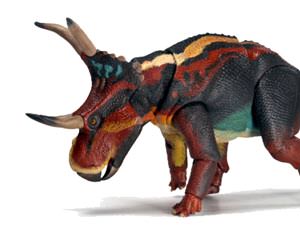
While you can’t see a real dinosaur in person, Creative Beast Studio has the next best thing! We have dinosaur figures for sale that are highly accurate and made according to scientific truths. Get up-close views of your favorite Mesozoic beasts.