
What Did Triceratops Use Their Horns For?
It’s hard to picture a Triceratops without its three impressive horns, but those sharp features weren’t just for looks. Living alongside powerful predators and other horned dinosaurs meant these animals faced challenges that may have made their horns especially useful. Scientists have studied fossils to better understand what Triceratops used their horns for, from defending themselves to interacting with their own species. Let’s explore what the evidence reveals about these prehistoric features and the mysteries that remain.
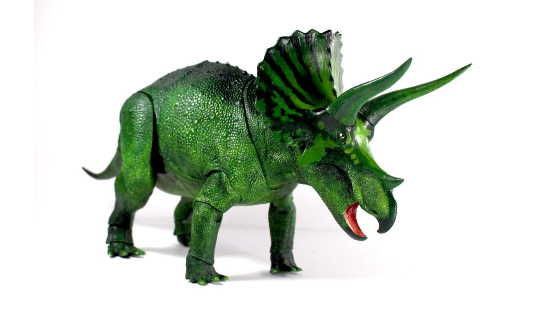
Understanding the Three Triceratops Horns
Triceratops lived during the Late Cretaceous Period, approximately 66 to 69 million years ago, and belonged to a group of horned dinosaurs called ceratopsians. Its name means “three-horned face,” a reference to the distinctive bony structures on its skull. While all three horns contributed to its recognizable appearance, they differed in size and position.
Each horn had its own characteristics:
- Two brow horns: Located above the eyes, these long, prominent horns projected upward and forward in adults.
- One nasal horn: Positioned above the nose, this horn was considerably shorter than the brow horns.
- Bony structure: All three horns had bony cores that were likely covered by protective keratin sheaths during life.
Defense Against Predators
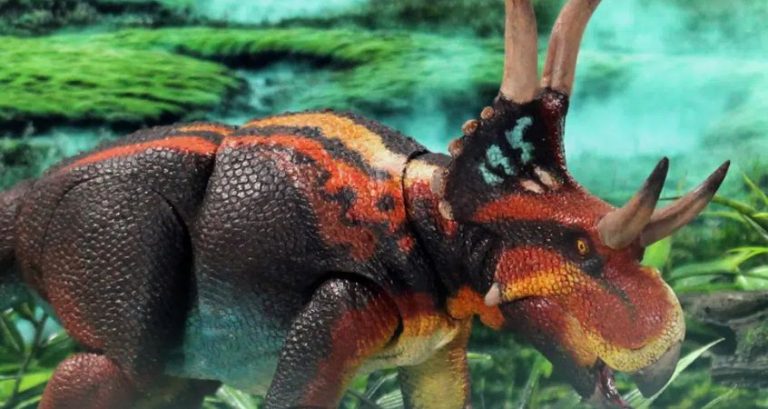
One possible reason Triceratops used their horns for survival was to defend themselves against large carnivorous dinosaurs. Their long brow horns could have injured a predator that attacked from the front, potentially discouraging further attacks. Combined with their substantial body size and strong neck muscles, these features may have made an adult Triceratops a challenging target. These defensive features are also important details to consider when examining high-quality dinosaur figures that recreate Triceratops anatomy.
Of course, powerful horns didn’t guarantee protection against every threat. Predators could attack from different angles, and younger or smaller Triceratops may have been especially vulnerable. For this reason, scientists consider the horns a potential defensive advantage rather than proof that Triceratops could consistently defeat large predators.
Could Triceratops Fight Tyrannosaurus Rex?
Triceratops and Tyrannosaurus rex lived in western North America at the same time, so encounters between them were certainly possible. Some Triceratops fossils contain damage attributed to Tyrannosaurus bites, including a damaged horn that showed signs of healing on a partial adult Triceratops skull found in modern-day Montana. This indicates that at least one Triceratops survived an encounter in which its horn was bitten.
Fighting With Other Triceratops
Triceratops may also have used its horns in confrontations with other members of its species. Researchers have identified patterns of skull injuries that are consistent with combat between these horned dinosaurs. These encounters could have involved competition over resources, territory, or social standing, although their specific motivations remain uncertain.
To better understand this possibility, scientists sometimes compare Triceratops with living animals that have similar features. For example, deer use their antlers in contests with rivals, while rhinoceroses may fight with their horns. Such comparisons offer clues about how Triceratops might have behaved, but they can’t establish exactly what happened millions of years ago.
How Horn Locking May Have Worked
Scientists have explored whether two Triceratops could have positioned their heads to interlock their brow horns during a confrontation. This arrangement might have allowed them to push against one another, using their powerful neck muscles for leverage. Their broad bony frills may also have protected them from impacts during these encounters. Although anatomical studies suggest that certain horn-locking positions were possible, no fossil can reveal the complete sequence of such a fight.
Attracting Mates and Establishing Dominance
Physical confrontations may not have been the only way Triceratops interacted with one another. Their large, noticeable horns may also have played a role in social displays, potentially influencing how others responded. Some scientists have proposed that these structures may have signaled maturity or physical condition.
The horns may also have made it easier for Triceratops to recognize members of their own species. Along with the broad frill, they created a distinctive head shape that became more pronounced as the animal matured. Whether these features were used primarily for visual displays, physical contests, or a combination of behaviors remains an open question.
How Triceratops Horns Changed With Age
Triceratops horns didn’t always look the way they’re commonly depicted in illustrations and reconstructions. Studies of skulls from different growth stages reveal considerable changes in their shape and orientation. These transformations give researchers a better understanding of how the horns developed and whether their functions may have changed as the dinosaurs matured.
Young Triceratops had relatively short brow horns that curved backward during the juvenile stage. As they grew, these horns gradually straightened before developing the forward-facing orientation seen in adults.
What Fossils Reveal About Horn Use
Since scientists can’t observe living Triceratops, fossilized bones provide the strongest evidence of how these dinosaurs may have used their horns. Researchers examine damaged skulls and healed injuries to piece together possible behaviors, while comparisons with related species provide additional context.
Several types of fossil evidence contribute to our understanding:
- Healed fractures: Repaired bone indicates that an animal survived an earlier injury.
- Frill lesions: Areas of abnormal bone growth may reflect injuries sustained during confrontations.
- Puncture-like damage: Certain skull injuries could be consistent with impacts from horns.
- Comparative fossils: Differences in injury patterns between Triceratops and related horned dinosaurs offer clues about possible behavior.
Injuries Found on Triceratops Frills
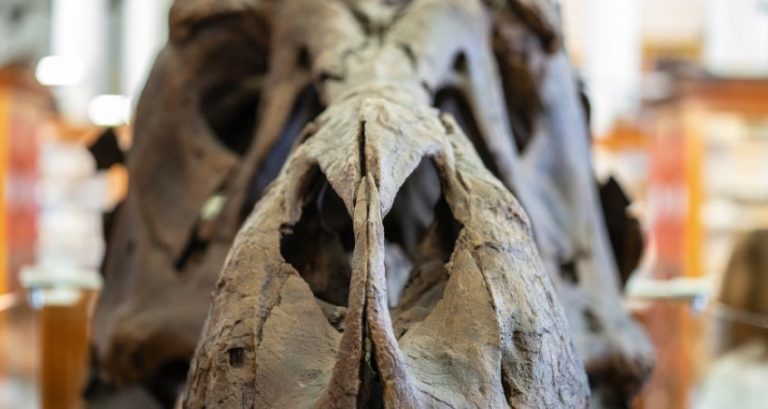
The Triceratops frill was a broad bony structure extending behind the skull, and fossil evidence suggests it may have been involved in physical confrontations. Researchers found that injuries occurred more frequently on certain frill bones in Triceratops than in the related horned dinosaur Centrosaurus. This pattern supports the possibility that Triceratops sometimes fought rivals using its horns, with the frill potentially absorbing impacts. However, not all unusual or damaged fossil bones indicate combat, as disease and other types of injuries can leave similar marks.
What Scientists Still Don’t Know
Despite decades of research, scientists haven’t identified every function of Triceratops horns. Fossils provide valuable evidence of anatomy and injury, but they can’t directly reveal behaviors such as courtship rituals or dominance displays. Even when damage suggests fighting, researchers can’t always determine what led to the confrontation.
Another unanswered question is how often Triceratops relied on its horns for protection compared with social interactions. Their behavior may have varied depending on age, surroundings, and the circumstances they faced. New fossil discoveries and advances in anatomical research could eventually provide a clearer picture.
It’s fascinating how much scientists can learn from a dinosaur’s skull. A small change in horn shape or an unusual mark on a fossil can open the door to entirely new questions about prehistoric life. These details remind us that dinosaurs weren’t just impressive skeletons; they were living animals with behaviors we still work to understand. Even a dinosaur as well-known as Triceratops has plenty of stories left to uncover.