
The Evolution of the Smilodon: Separating Facts From Fiction

Few prehistoric animals are as recognizable as the Smilodon, often called the saber-toothed tiger. With its massive canine teeth and powerful build, this Ice Age predator has fascinated scientists and the public for decades. Let’s explore the evolution of the Smilodon and separate the facts from fiction.
What Was a Smilodon?
A Smilodon was a genus of saber-tooth cats that lived during the Pleistocene (also known as the Ice Age) in what is now North and South America. This big cat was around the size of a modern lion with a strong build and large canine teeth.
Species of Smilodon
A genus isn’t a single animal but a group, meaning there were various species of Smilodon, which were slightly different. The three main species include the following:
- Smilodon gracilis: Earliest species of this big cat. It lived about 2.5 million years ago in what is now North and South America
- Smilodon fatalis: Lived about 1.6 million to 10,000 years ago. This species lived mostly in North America and is the most discovered Smilodon, with many fossils found at the La Brea Tar Pits in California
- Smilodon populator: The largest species of Smilodon. It lived about 1 million to 10,000 years ago in South America and could grow larger and heavier than modern lions
These three species illustrate the evolutionary development and geographic spread of Smilodon across North and South America during the Pleistocene.
Interesting Prehistoric Fact
Although many people call Smilodon a saber-toothed tiger, this cat and the modern tiger belong to different branches of the feline family tree. Smilodon belonged to an extinct group of cats called Machairodontinae, which separated from the ancestors of modern big cats millions of years ago.
How Smilodon Evolved
All species evolve through survival of the fittest and selective breeding. In other words, only the strongest animals survive to breeding age and then pass on those genes. Since stronger carnivorous animals are more likely to hunt and defend their territory, they can pass those traits on to the next generation. Over time, the weaker members of a species die off, and the species evolves with the most successful traits becoming more common in future generations.
For species such as the Smilodon, this meant strength, powerful forelimbs, and long, sharp canines. These features made Smilodon a highly specialized predator capable of taking down large Ice Age animals. Their strong forelimbs helped them pin prey to the ground, while their long canine teeth delivered precise, fatal bites.
The Development of Teeth
Interestingly, the early ancestors of Smilodon had normal-sized canine teeth, similar to those of other ancient cats. However, over generations, Smilodon’s teeth became longer and sharper because individuals with larger teeth were better hunters; the easier it was to kill prey, the more likely an animal was to eat and survive.
Large teeth helped Smilodon deliver powerful bites, which was especially important because these big cats did not have the strongest bite force. In fact, most Smilodon had a bite force of around 30-330 PSI, which is about one-third the bite force of the modern lion. Its long, sharp canine teeth allowed it to precisely stab its prey and kill it.
Smilodon’s Physical Adaptations
In addition to its famous teeth, Smilodon had several physical adaptations that made it a powerful predator in the Ice Age. Unlike many modern big cats, Smilodon had a stocky, muscular body with strong shoulders and short, powerful legs. These features gave it the strength needed to wrestle large prey to the ground.
Moreover, the Smilodon’s forelimbs were especially strong, allowing it to grip and control struggling animals during a hunt. Smilodon also had a highly flexible jaw that could open to around 120 degrees, much wider than most modern cats. This wide gape allowed the cat to use its long canine teeth effectively when delivering a quick killing bite.
Hunting Impacted Evolution
The way Smilodon hunted also played an important role in its evolution. Unlike modern big cats, which rely heavily on speed, Smilodon bodies were ideal for ambush hunting. Its stocky body and extremely powerful forelimbs enabled it to grapple with large prey, such as prehistoric bison or young mammoths.
After pinning its prey to the ground, Smilodon used its long canine teeth to deliver a carefully placed killing bite. Over time, this hunting strategy helped shape the cat’s muscular build, strong shoulders, and specialized saber-like teeth.
What Did Smilodon Eat?
Smilodon hunted many of the large animals that lived during the Ice Age. Fossil evidence suggests its diet likely included prehistoric bison, horses, camels, and possibly young mammoths or mastodons.
Myths About the Smilodon
Separating the facts from the myths about Smilodon’s evolution helps us better understand this genus. Below, we’ve detailed some of the most common misconceptions.
Smilodon Lived with Dinosaurs
It’s easy to assume that the Smilodon lived alongside dinosaurs since both are extinct, prehistoric creatures. However, dinosaurs went extinct 66 million years ago, while the Smilodon lived and died 10,000 to 12,000 years ago. This means that the two species cannot overlap.
Smilodon Were Fast Runners
Evolution made Smilodon a powerful hunter, but this came at a cost, including reduced speed. Since this big cat was muscular and heavy, sprinting was a challenge; it’s highly unlikely it could run as a modern lion, let alone a cheetah.
Rather than chasing prey across long distances, many scientists believe Smilodon relied on ambush hunting. By hiding in vegetation or waiting for prey to come close, it could use its powerful forelimbs to grab and pin animals before delivering a precise killing bite.
It Used Its Teeth for Fighting
Another common myth is that Smilodon used its long teeth to fight other predators. In reality, the teeth were relatively fragile, and they likely used them carefully to stab soft areas of prey, such as the throat.
They Lived and Hunted Solo
This “myth” is a bit more complex, as some scientists believe Smilodon was a solitary animal, while others hypothesize that they lived in groups. Fossil evidence shows that many individuals survived serious injuries, suggesting they may have received help from other members of their species. However, researchers still debate whether Smilodon hunted in packs or lived mostly alone.
Get Action Figures
The story of Smilodon reminds us that prehistoric life was home to remarkable animals that evolved unique traits to survive challenging environments. From its powerful forelimbs to its iconic saber-like teeth, this Ice Age predator continues to captivate scientists, historians, and enthusiasts alike.
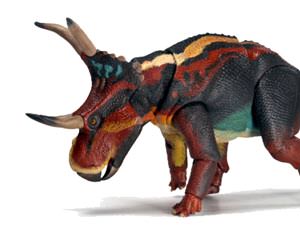
For collectors and fans who enjoy bringing prehistoric creatures into the real world, high-quality models can make that fascination even more engaging. Creative Beast Studio has prehistoric beast figures of numerous creatures, including Smilodon. Get highly detailed figures inspired by real paleontological research, allowing fans to build collections that celebrate the incredible diversity of prehistoric life.