
Psittacosaurus Mongoliensis: What We Know
Dinosaurs came in a range of shapes and sizes, making each species unique in its own right. The Psittacosaurus mongoliensis was one of the many species that once ruled over the planet during the Mesozoic era. This incredible beast may have been small compared to Sauropods or Ceratopsidae, but its fascinating adaptations offer a window into the early evolution of horned dinosaurs. Here’s what we know about the Psittacosaurus mongoliensis.
What It Looked Like
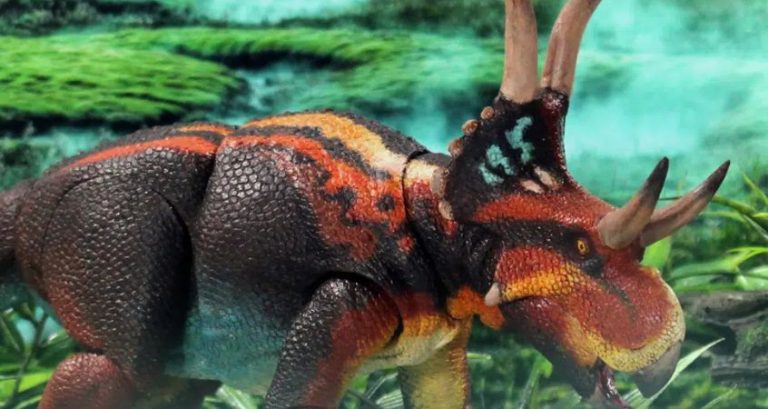
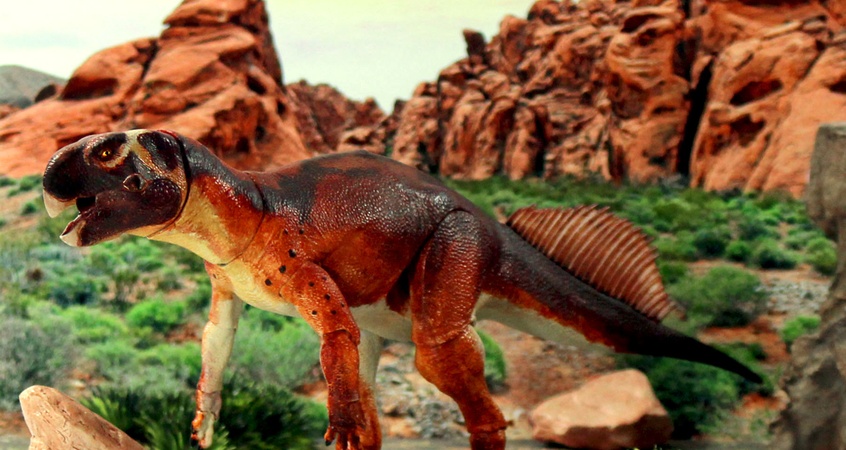
One of the most fascinating things about the Psittacosaurus is that it was part of the larger Ceratopsian group, just like the Triceratops; however, it was not part of the specific Ceratopsidae family because it lacked a frill, had horns, and walked on two legs. Instead, the Psittacosaurus was part of the Ornithischia family because it was a “bird-hipped” dinosaur, meaning its hip structure had a backward-pointing pubis bone, similar to birds.
Moreover, the Psittacosaurus was about 6–6.5 feet long, 1.5 feet tall, and weighed 45–110 pounds, making it relatively small. As mentioned above, this dinosaur was bipedal, meaning it walked on two legs. That said, some scientists theorize that it may have walked on all fours while eating since its forelimbs weren’t overly short.
Dino Fact
The Psittacosaurus lived millions of years before the Triceratops, making it an early ancestor of the more evolved creature.
Where and When It Lived
The Psittacosaurus lived during the early Cretaceous period in what is now Mongolia and northern China. During this time period, the region was seasonally dry and warm, much like the savanna is today. However, sediment in the rock also indicates that there were wet seasons, likely resulting in river valleys and lakes as well as desert regions. This also gave Psittacosaurus plenty of food to feast on!
What It Ate
As a herbivorous dinosaur, the Psittacosaurus strictly ate low-lying ferns that could regrow quickly after dry seasons. This beast also would’ve eaten cycads and bennettitales, which were palm-like plants with thick, fibrous leaves and cones.
When eating, Psittacosaurus would’ve looked for food that was close to the ground to accommodate its stature. It also would’ve used its beaklike mouth to snip off greenery and then used its cheek teeth to grind it up.
How It Lived
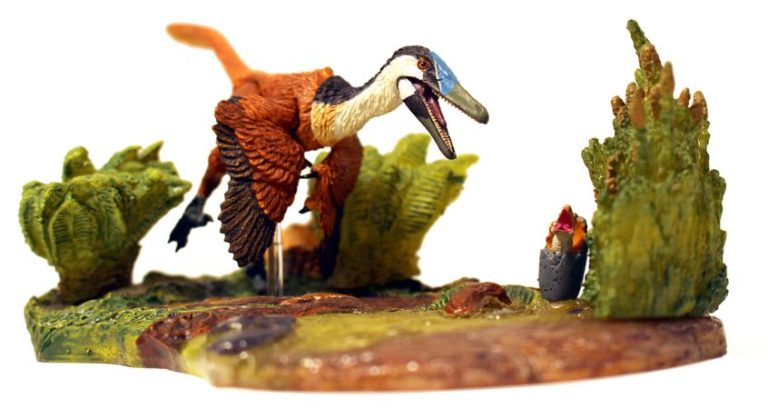
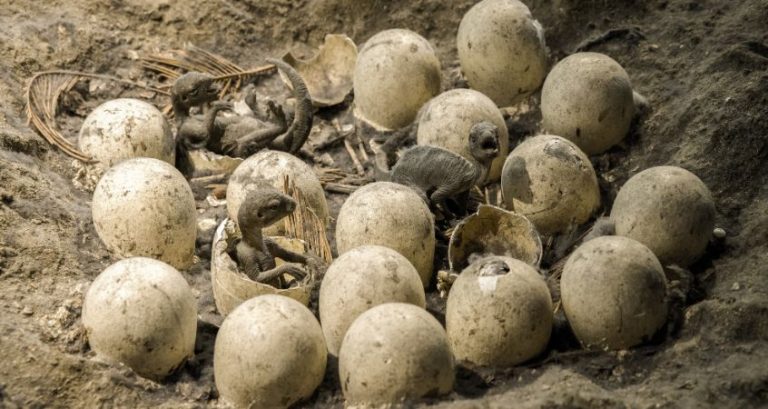
Another interesting thing we know about the Psittacosaurus is that it lived with its young as a family or possibly in small groups. We know this because paleontologists have unearthed bone beds with multiple Psittacosaurus of various age groups by one another. This means that the species may have lived with its young during the early years of life to protect them.
Buy Dinosaur Action Figures
Want to bring the thrill of the Mesozoic to life in your home? Creative Beast Studio’s Beasts of the Mesozoic figures are perfect for collectors, kids, or any dinosaur enthusiast! Get detailed figures that spark imagination and learning and let the world of dinosaurs roam your home!